
When Tokyo Confuses You, Just Snap: 5 Scenes Your Camera Can Solve
The hardest part of traveling in Tokyo is rarely the language itself. It is the moment of not knowing what to do next: the buttons on a ticket machine, a menu written only in Japanese, a machine with unclear instructions. Most of these frustrations get much easier the moment you take a photo. A photo can be translated, checked later at your own pace — and when the trip is over, it becomes a memory worth keeping.
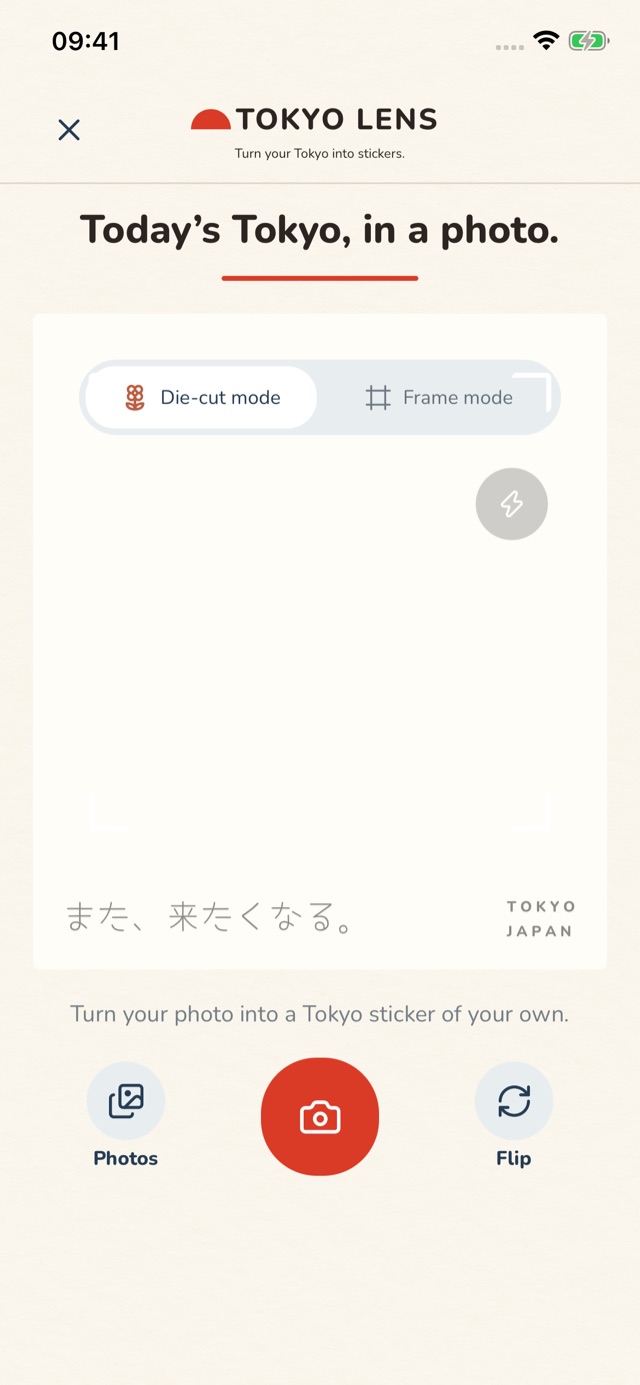
TOKYO LENS is a Tokyo travel camera that cuts out what you photograph into a die-cut sticker and keeps it in your travel journal and map. Anything you save can be explained by AI in 8 languages, on demand. This guide covers five scenes where your camera genuinely helps.
Scene 1: Station Ticket Machines and Gates
Ticket machines in Tokyo stations are dominated by Japanese route maps, fare tables, and buttons — hard to decode on first sight. Photograph the route map or fare table, and you can confirm the fare to your destination and how to buy the right ticket without rushing.
- What to shoot: the machine screen, route map, fare table
- What it solves: which ticket to buy, and which button to press
If you use an IC card such as Suica, photograph the charging machine's screen so you can check the top-up steps afterwards.
Scene 2: Japanese-Only Restaurant Menus
Many of the best small restaurants have menus only in Japanese. Pictures help you choose by appearance, but dish descriptions and allergy (allergen) labels are written in Japanese — a real barrier when you want to know what you are eating.
Photograph the menu, and you can run it through a translation app, or ask an AI explanation to learn what the dishes are and how to order. That same photo becomes a record of the meal.
- What to shoot: the menu, the daily specials board, the ticket machine
- What it solves: what you can order, and how to order it
At restaurants with meal ticket machines, buying the ticket before sitting down is the norm. Snap the screen first so you know the flow before it is your turn.
Scene 3: Convenience Store and Drugstore Shelves
Convenience stores are a traveler's best friend in Tokyo, but nearly all packaging is in Japanese. Should this food be heated? Is it ready to eat? What are the campaign conditions? You will be surprised how often you pause in front of a shelf.
Photograph the product or the POP (in-store ad), and you can translate what it is, what it costs, and how to use it — fewer shopping mistakes.
- What to shoot: product packaging, price tags, POP signs
- What it solves: what to buy, and how
In drugstores, medicine and cosmetics labels can be photographed for later checking too. That said, always follow the printed dosage and usage instructions exactly.
Scene 4: Signs and Notices at Tourist Spots
How to pray at a shrine, where the entrance is, which areas prohibit photography, temporary timetables. Tourist spots in Tokyo are full of signage — and not all of it is multilingual.
Photograph a sign, and you can check later whether entry is allowed, whether shoes come off, and where to go next. Anything you save can also be explained by AI in your language. Understanding the signage is part of respectful sightseeing.
- What to shoot: standing signs, posted notices, guide maps
- What it solves: what is allowed here, and where to head next
Scene 5: Lockers, Payment Machines, and Other Devices
Coin lockers at stations, payment machines at parking lots, return machines — as your trip goes on, you meet more and more machines. Photograph the operation panel and you can calmly check the fees, payment methods, and cautions.
| Machine | Common frustration | What a photo gives you |
|---|---|---|
| Coin locker | How to read availability and fees | Price and payment steps |
| Payment machine | How to get a receipt | Payment procedure |
| Exchange machine | Which currencies are accepted | Supported currencies and rates |
Three Tips for Shooting
- Frame the whole screen: keeping everything inside the frame improves text recognition
- Avoid reflections: glare from lighting lowers accuracy — shift your angle
- When in doubt, snap first: taking a photo is usually faster than searching
Every Photo Becomes Part of Your Travel Record
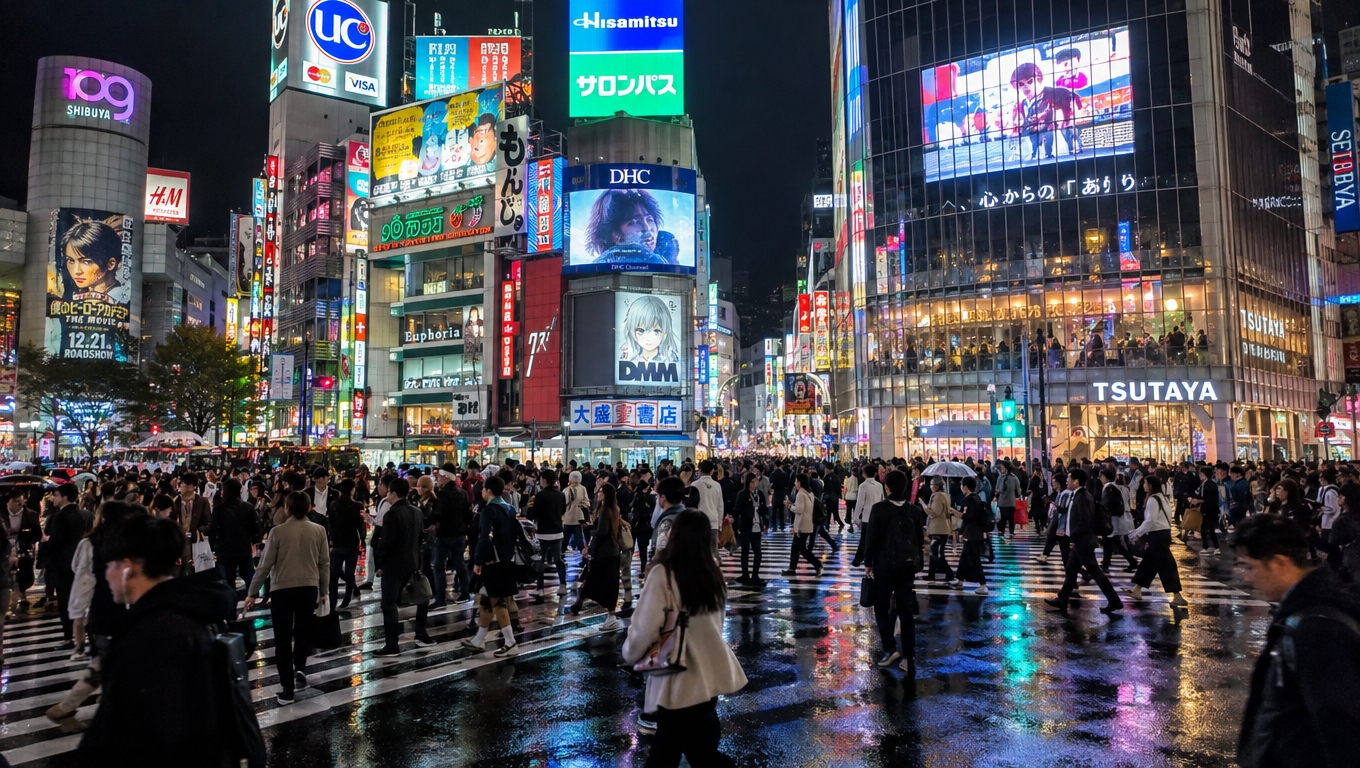
A photo taken because you were confused is still a photo from your trip. With TOKYO LENS, you can cut it into a die-cut sticker on the spot and paste it into your travel journal and map. The ticket machine moment and your first bowl of ramen end up on the same page.
For more ideas, see How to Keep Your Tokyo Travel Memories: Shoot, Cut Out, and Paste into a Travel Journal.
Summary
Tokyo travel frustrations are less about language barriers and more about interpreting displays and knowing what to do. Build the habit of snapping in these five scenes — ticket machines, menus, shelves, signs, and machines — and your travel stress will drop noticeably, while every photo you keep becomes a memory.
TOKYO LENS cuts your photos into stickers and keeps them in your travel journal and map — a Tokyo travel camera worth having, especially on your first trip. Anything you save is explained in 8 languages by AI, with suggestions for where to go next.
For the basics of a first Tokyo trip — prep, transit, food, and manners — see First Trip to Tokyo: A Beginner's Guide.